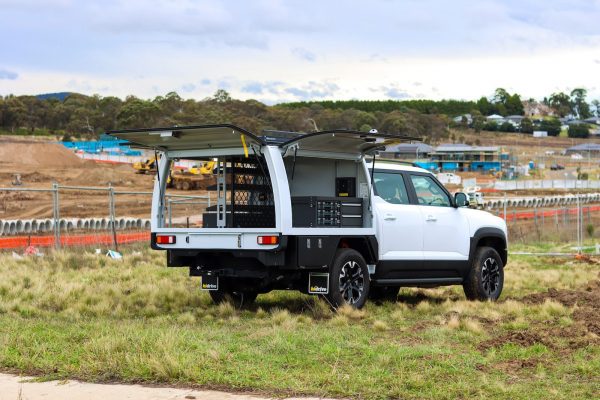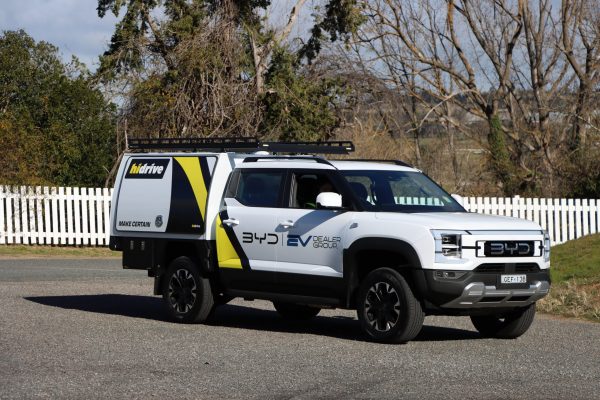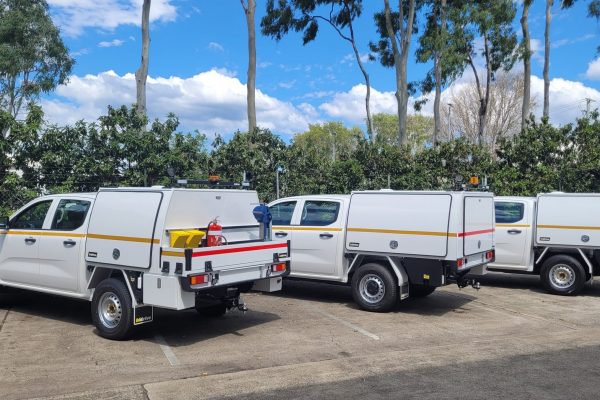

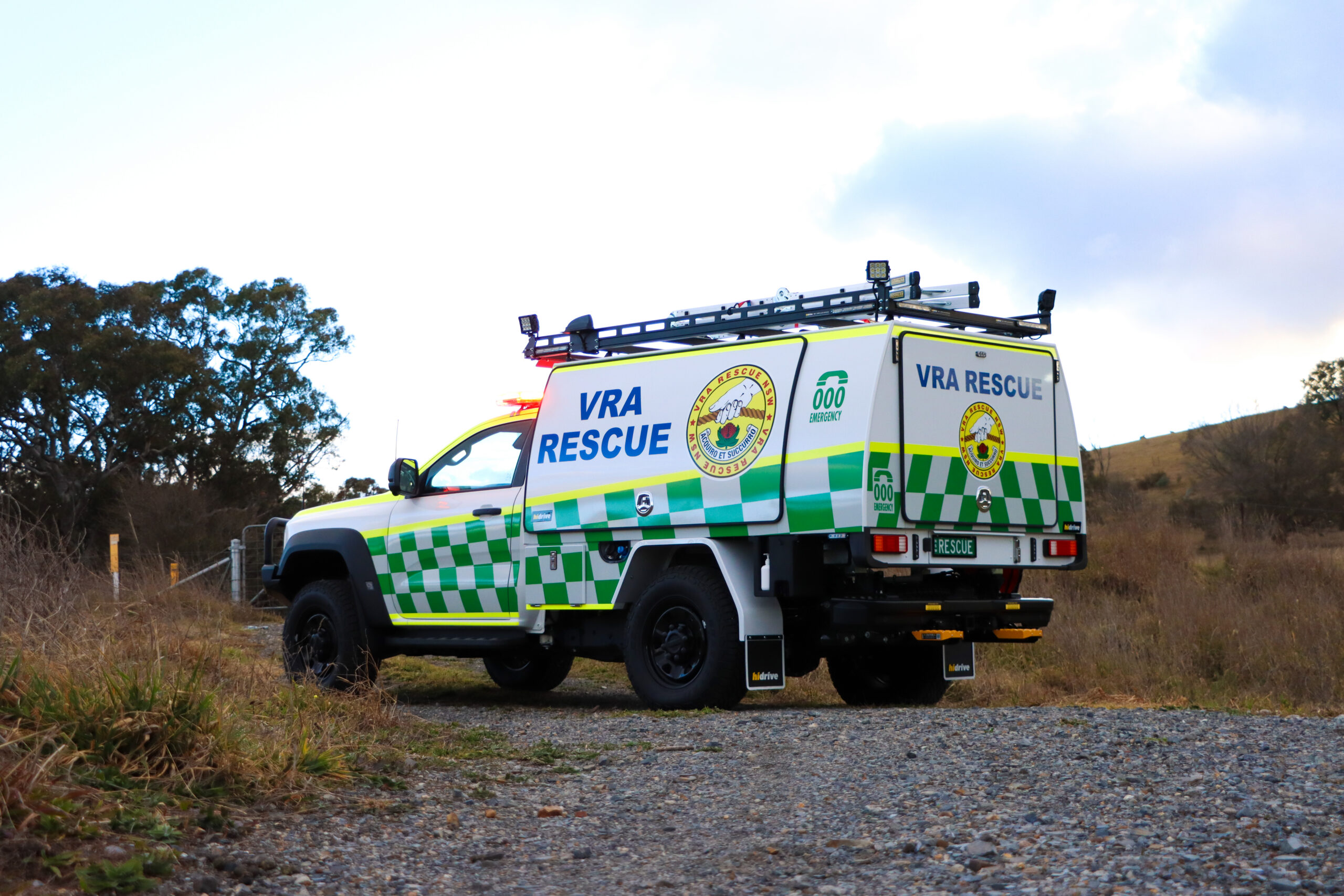
High-stress environments amplify the cost of inconsistency. For emergency services crews, seconds determine outcomes, yet across many fleet vehicles; tools, shelving, and equipment are positioned differently. Ute canopies for emergency services fleets that vary from vehicle to vehicle turn muscle memory into guesswork at precisely the moment it matters most. Standardisation isn’t merely a procurement preference; it’s an operational safeguard.
The standardisation of fleet vehicles reduces response delays, improves equipment accessibility, minimises workshop downtime and shortens training time for new staff and volunteers. Consistency transforms equipment storage into a genuine safety measure—not simply a fleet management preference.
What does fleet standardisation mean?
Standardisation applies across every vehicle in a fleet: Utes, trucks and trailers all follow the same canopy layout, mounting points and equipment locations. A crew member trained on one vehicle can step into another and know exactly where to find the first-aid kit, the extraction tools, or the breathing apparatus without hesitating. A single, repeatable configuration removes uncertainty and lets crews act instinctively when every second counts.
Where inconsistency costs time
Mismatched fitouts create three recurring problems: slower response at the vehicle, greater training demands and unpredictable servicing. A crew member without a standardised fitout could lose minutes when seconds become valuable. Multiply that delay across a shift, a roster, or a fleet of fifty vehicles, and the cost in time and risk becomes significant.
A framework for choosing compliant, durable canopies
Compliance
The first and most important consideration is compliance. Every fitout is required to sit within GVM and payload limits, with ADR-compliant mounting and load-restraint features built in.
Durability
The build should then be prioritised for endurance. Robust materials, construction, and the estimated length of how long a vehicle will operate in service should be considered. Emergency Services vehicles must be able to withstand corrugated roads, coastal air, temperature extremes and daily loads without corrosion, cracking, or structural fatigue.
Consistency
Once compliance and durability has been established, standardisation must occur. Storage layouts, stackable shelving, and mounting points should be designed for consistency across the fleet, regardless of vehicle age, location, or deployment.
Maintenance
The final consideration is the maintenance of the full fleet. Modular components should be easy to repair or replace, minimising downtime and helping vehicles return to service quickly when maintenance is required.
The payback, uptime, and operational readiness
Standardised fitouts let damaged components be swapped from stock rather than custom-ordered, cutting workshop downtime and returning response vehicles to service sooner. New staff, volunteers and relief crews reach operational readiness faster too, since personnel can move between vehicles, stations, or depots without relearning where equipment sits or how each fitout works. Compliance becomes a manageable outcome, rather than a concern, with the ability to maintain ADR compliant specifications whilst maintaining accurate weight reports to ensure each vehicle conforms to GVM requirements. Fleet managers gain more predictable maintenance, simpler parts inventories, and clearer confidence in a safer fleet.
Emergency services fleet vehicles play a pivotal part in servicing crisis situations around Australia. These fleet managers play the crucial role of deciding upon vehicle configurations for their crew who are required to act with surgical precision in the toughest of environments. The result of standardisation for these configurations is a fleet that’s available when it’s needed, deployable without delay, and predictable in exactly the moments when seconds become priceless.