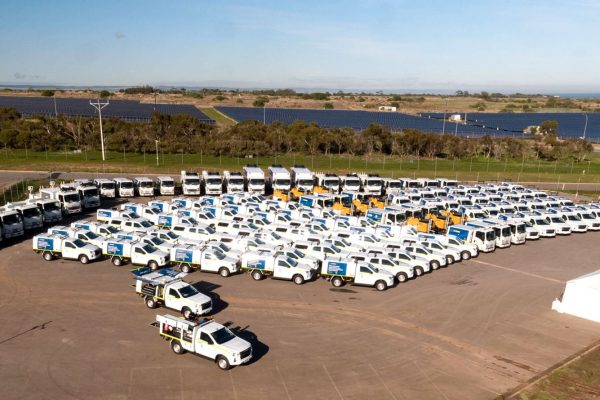

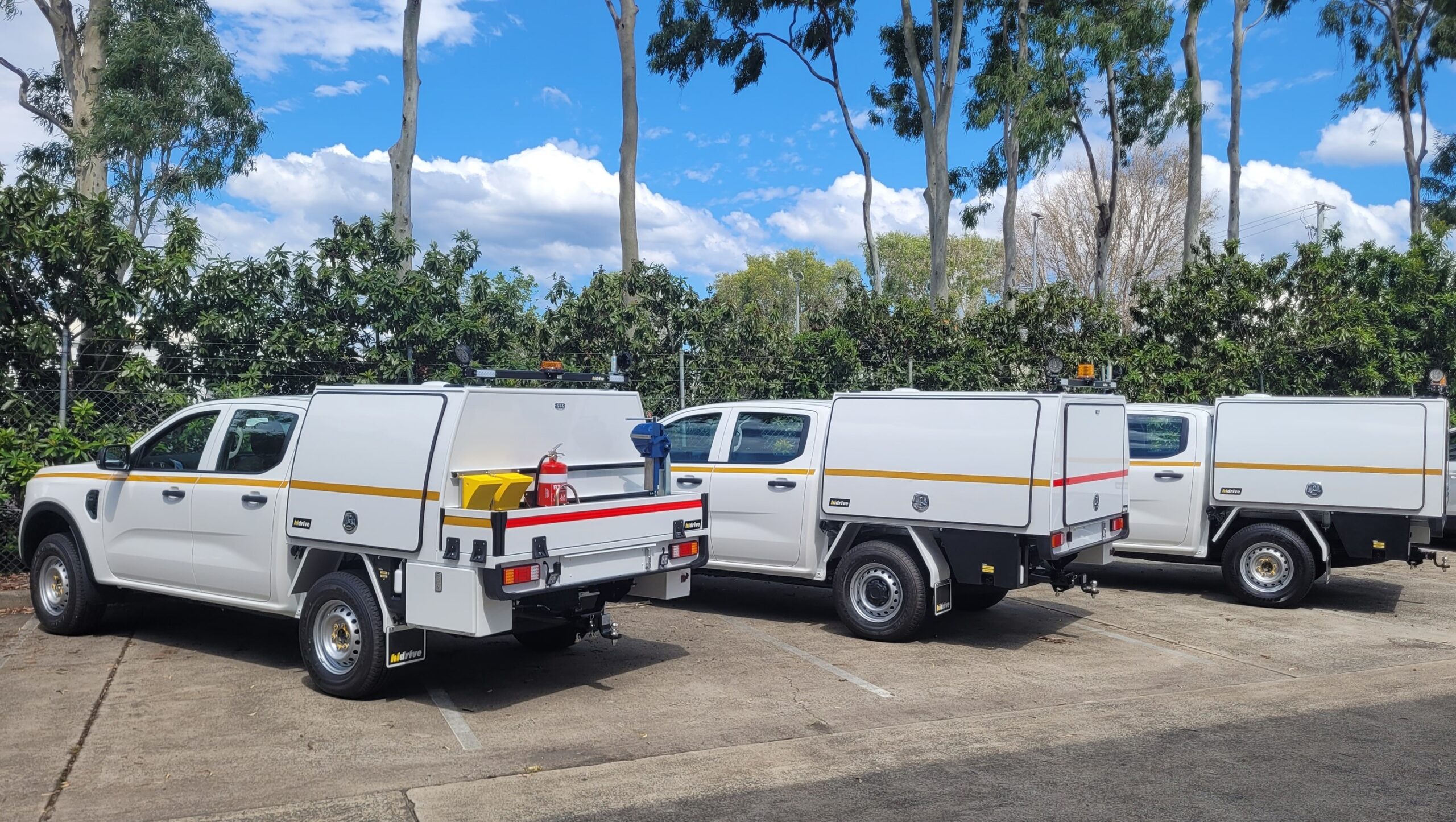
When fleet managers evaluate a new service body, the focus is often on upfront price. For organisations managing multiple vehicles spanning years in the field, the smarter metric is total cost of ownership (TCO).
It’s not just about the purchase price — it’s what each of your fleet assets return over their lifetime. That’s where true value sits. — Hidrive National Sales Manager Alex Williams
Whether your fleet runs Toyota Hilux, Ford Ranger, Mazda BT-50, Isuzu D-MAX — or a mix of makes and models — factoring total cost of ownership into your purchasing decisions reveals the true value of your service bodies, well beyond the initial capital outlay.
Taking this broader view provides a far more accurate measure of each investment. More importantly, it can be the difference between decisions that deliver sustained operational gains for your business — and those that underperform over time, impacting efficiency, profitability and ultimately the experience you deliver to your customers.
ROI BREAKDOWN — WHERE VALUE IS CREATED
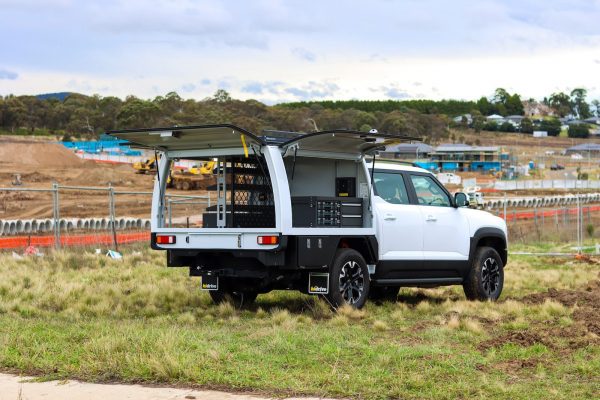
A fit-for-purpose service body contributes every day to productivity out in the field. Organised, efficient storage reduces time searching for tools, while integrated fitouts support safer workflows and mitigate risk.
Across a fleet, wasted time compounds quickly. Reduced downtime, fewer lost or damaged tools, and improved productivity all translate into measurable operational returns. When productivity gains are factored in, the initial purchase price becomes just one part of a broader ROI equation.
MATERIALS MATTER — DURABILITY DRIVES DOWN LIFETIME COST
The materials used for your service body and accessories play a vital role in long-term cost performance and better resale value. Here’s why.
Aluminium construction offers a strong strength-to-weight ratio over other materials such as steel and fibreglass, reducing weight while maintaining structural integrity. Lighter bodies contribute to improved fuel efficiency and help maximise payload capacity. Corrosion resistance also supports longevity — particularly for fleets operating in coastal, high-rainfall or heavy-duty environments.
TRANSFERABILITY — PROTECTS YOUR INVESTMENT BEYOND ONE VEHICLE
One of the most overlooked contributors to TCO is transferability.
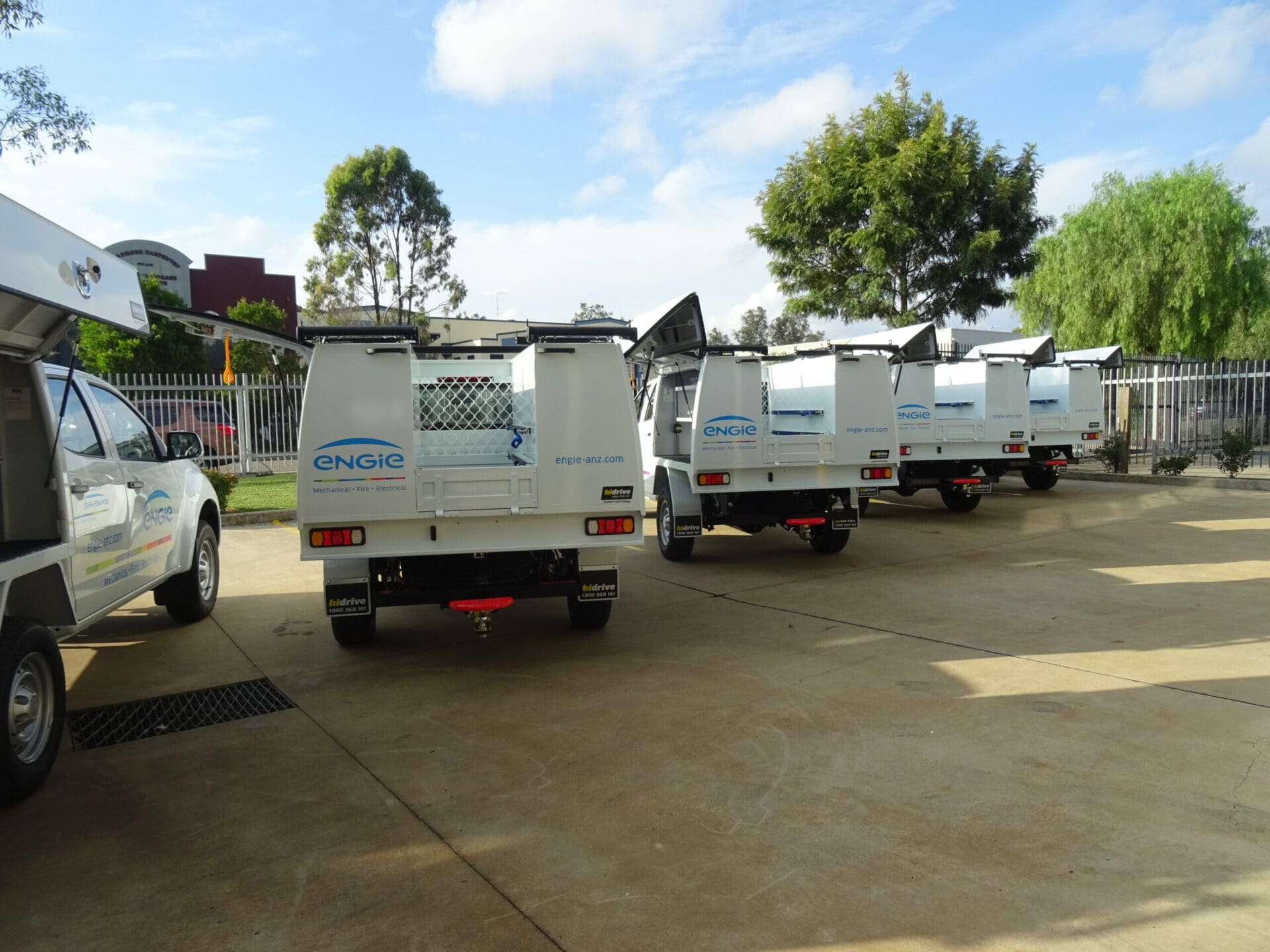
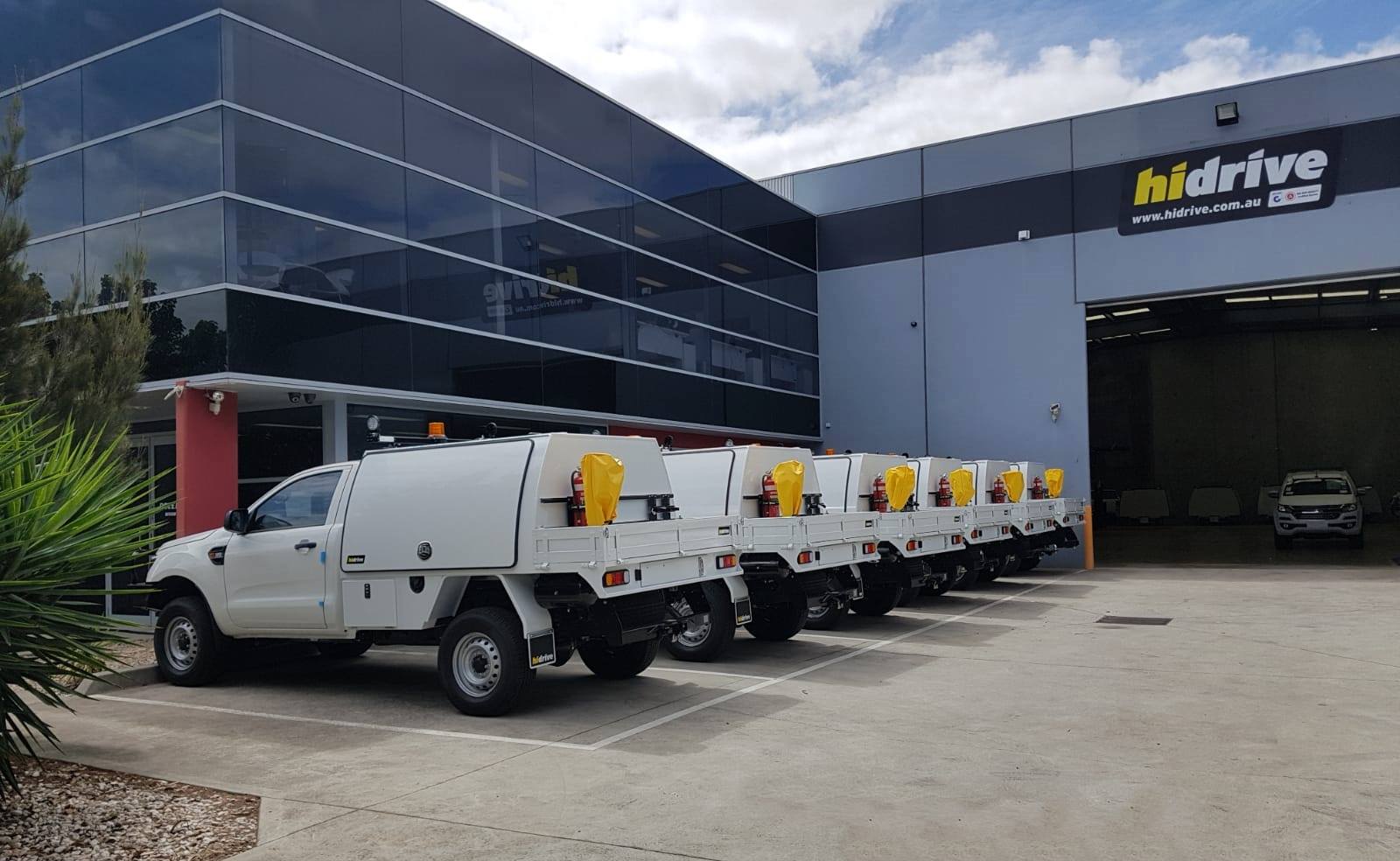
A service body that can be removed and installed onto a new chassis when the original vehicle is replaced, rather than writing off the entire fit-out at the end of a vehicle lifecycle, is a huge cost benefit. Organisations can extend the value of their investment across multiple utes by choosing transferable canopies that are built to last.
For fleet managers working on structured replacement programs, this approach significantly reduces capital outlay over time and smooths budget planning.
SAFETY AND COMPLIANCE — AVOIDING HIDDEN COSTS
Non-compliance, unsafe storage, and poorly integrated electrical systems can lead to hidden or unplanned costs — from fines and insurance complications to workplace incidents.
Purpose-built service bodies designed to meet Australian standards reduce these risks. Likewise, investing upfront in compliant engineering can avoid costly rectification work down the track.
STRONGER BRAND PERCEPTION
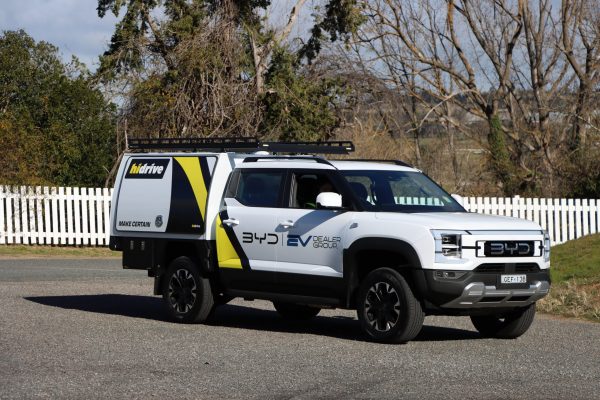
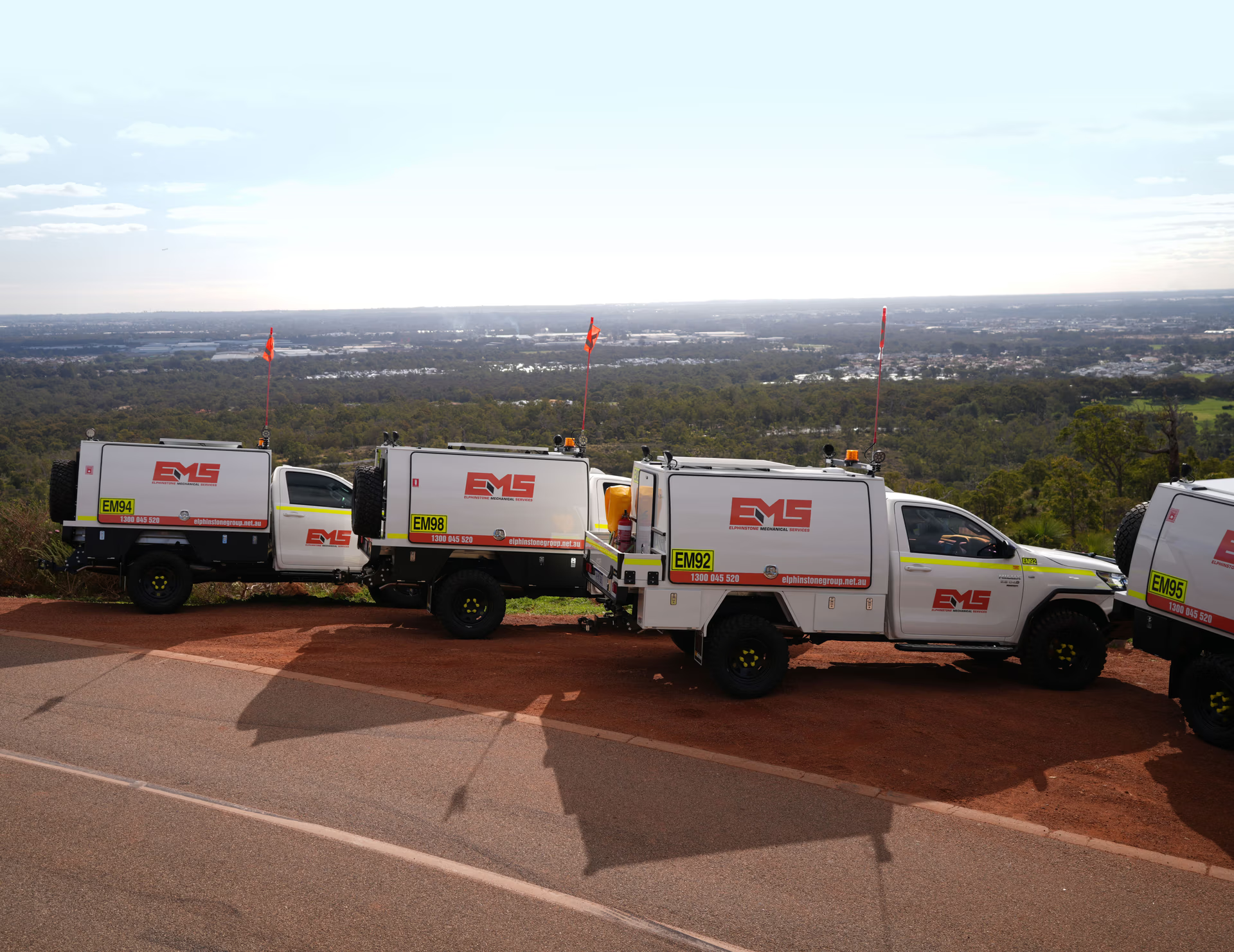
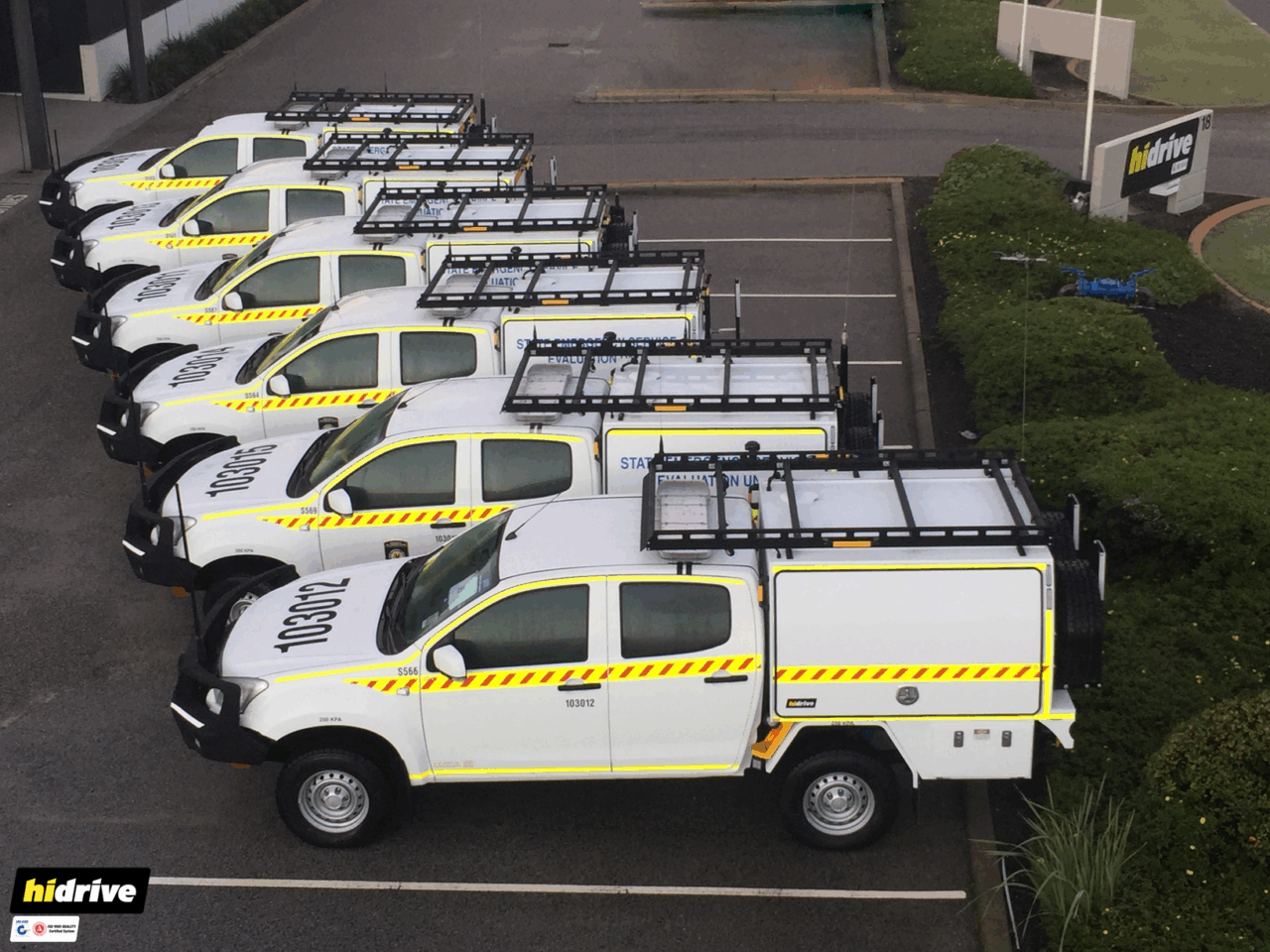
Professionally engineered and fitted out service bodies, particularly if beautifully designed branded signage has been installed, maximise the impact your business portrays every time your vehicles are seen on the road or on site.
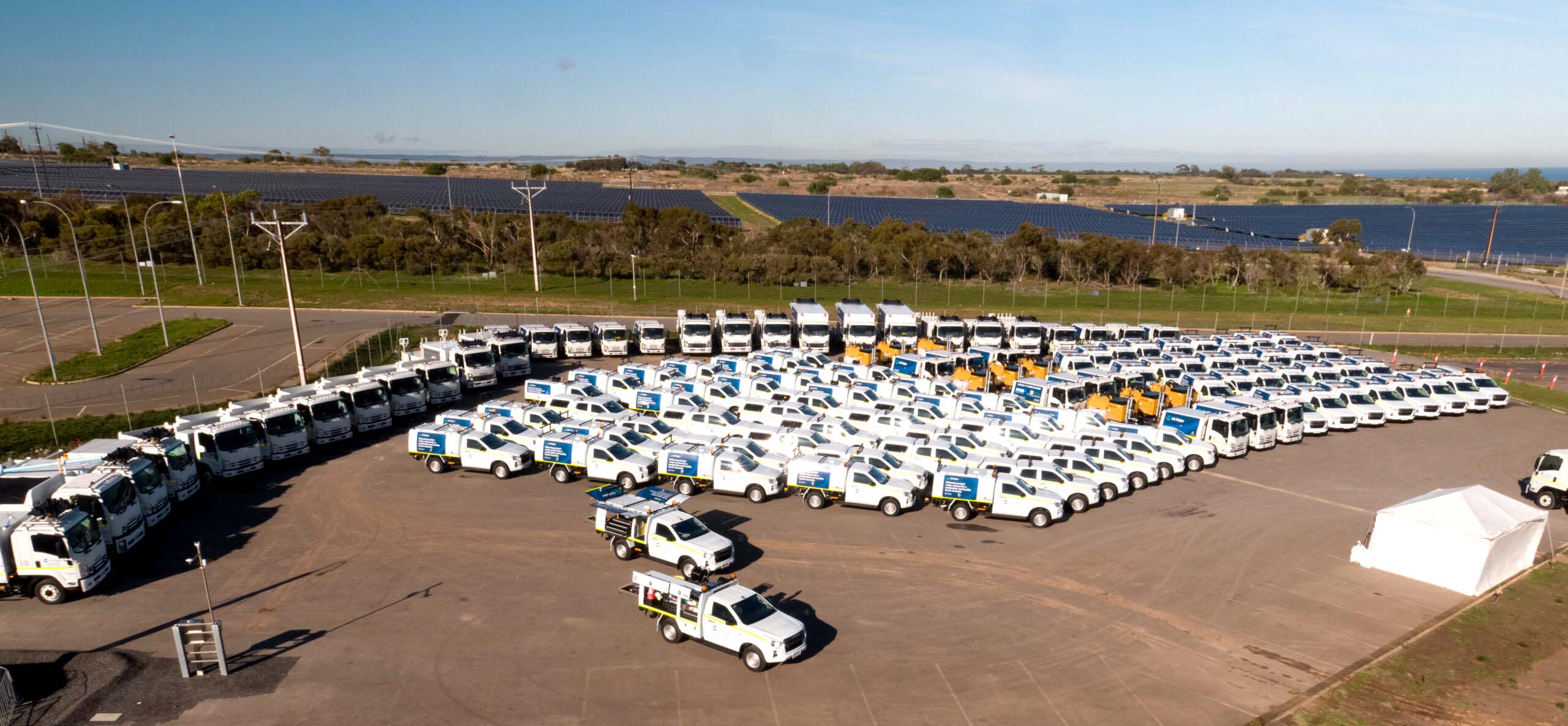
High-quality fleets with a consistent look and feel convey credibility and trust — especially important for governments, utilities and contractors operating in public view.
THE BIGGER PICTURE
Understanding the total cost of ownership for your fleet shifts the conversation from ‘what does it cost?’ to ‘what does it return to our business?’
When productivity, durability, transferability, and residual value are assessed together, a service body becomes more than simply a cost to the bottom line — it becomes an operational asset that demonstrates long-term value through reduced costs per kilometre and per job.
For fleet operators who take a strategic view, this perspective makes all the difference.
____________
Hidrive published this article in the February 2026 edition of the Australasian Fleet Management Association’s FleetDrive Magazine.