
As electric and hybrid vehicles become an increasingly common part of Australian fleet procurement, organisations are focusing on how these new platforms will perform in day-to-day operations. While vehicle selection often receives most of the attention, service body design can play an equally important role in determining fleet productivity, usability and long-term value.
For fleet managers, the vehicle purchase is only half the decision. A poorly designed service body can impact payload, usability and productivity. A well-designed solution helps crews stay organised, work efficiently and get the most from the vehicle every day.
As more electric and hybrid vehicles enter Australian fleets, service body design matters more than ever. Features like integrated vehicle power, charging access and tighter payload constraints mean service bodies and canopies need to be engineered specifically for modern vehicle platforms.
Why is payload more important on EV and hybrid vehicles?
For fleet managers, every kilogram allocated to a service body is a kilogram unavailable for tools, equipment and operational payload.
On electric and hybrid platforms, where battery systems already contribute significant vehicle weight, lightweight service body design becomes even more important.
That’s why lightweight aluminium construction is increasingly becoming the preferred choice for modern service bodies and canopies. By reducing body weight, organisations can maximise available payload while still providing the storage, durability and functionality crews need in the field.
Lighter service bodies and canopies also support broader fleet objectives, including vehicle efficiency, operational capability and total cost of ownership (TCO).
How are EV service bodies different from traditional service bodies?
Electric and hybrid vehicles introduce new design considerations that simply don’t exist on traditional fuel platforms. Charging access, integrated vehicle power systems, vehicle weight distribution and evolving chassis configurations all need to be considered during the design and build process.
Service body design may need to account for:
- Charging port access
- Hybrid fuel filler access
- Integrated vehicle power systems
- Battery packaging and clearance requirements
- Vehicle weight distribution
- Independent rear suspension layouts
These factors influence everything from storage design through to mounting methods and vehicle usability.
The objective isn’t simply to add a service body to the vehicle. It’s to ensure the solution integrates seamlessly with the platform while supporting productivity, safety and day-to-day operations.
This is where vehicle-specific engineering becomes critical.
Integrated vehicle power is changing how teams work
Integrated vehicle power, such as V2L (vehicle-to-load) systems, allows crews to power equipment directly from the vehicle, reducing reliance on generators and auxiliary power sources.
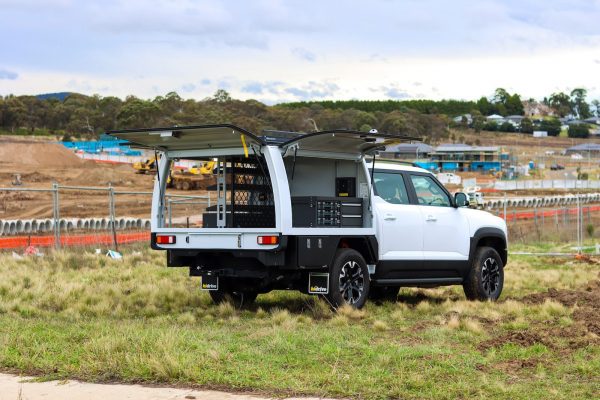
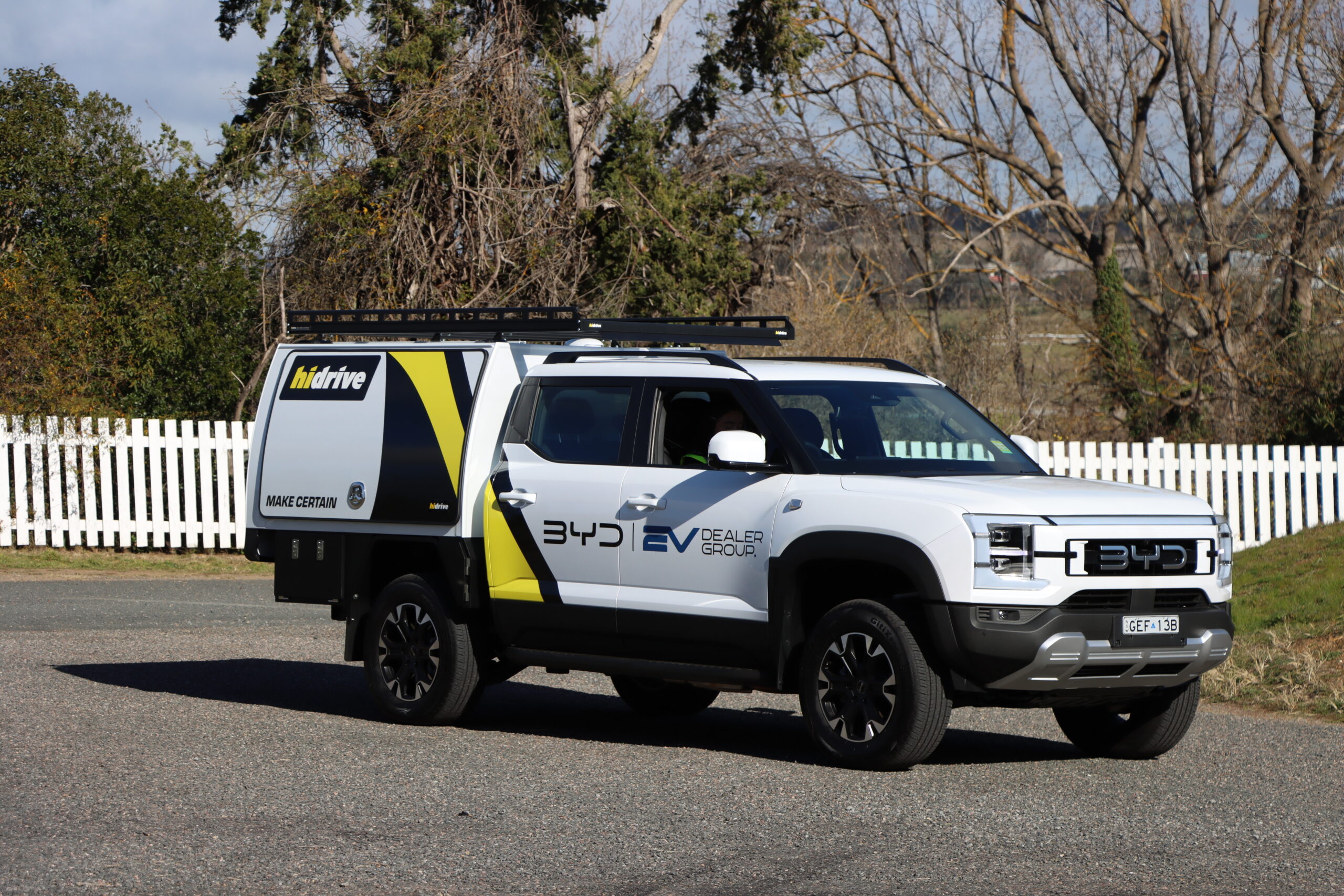
Platforms such as the BYD Shark 6 are creating new opportunities for organisations to support work away from workshops, depots and fixed facilities. When combined with a purpose-built service body, vehicle-powered functionality helps crews stay productive while reducing reliance on traditional auxiliary power systems.
For fleet managers, the benefit isn’t the technology itself. It’s the operational flexibility it provides.
As vehicle technology continues to evolve, service bodies and canopies will play a central role in helping organisations unlock the full potential of these emerging platforms.
For many organisations, the service body is becoming just as important as the vehicle itself when it comes to productivity, usability and operational performance. As fleets adopt new vehicle technologies, the way those vehicles are integrated into day-to-day operations will increasingly influence the value they deliver.
Why fleet managers need to start planning now
The transition towards electric and low-emission vehicles is no longer a future consideration. Government policy, sustainability goals and procurement requirements are already influencing vehicle purchasing decisions across Australian fleets.
At a Commonwealth level, the Australian Government’s Low Emission Vehicle (LEV) Target is helping accelerate the adoption of low-emission vehicles across government fleets. Combined with broader emissions reduction initiatives, it highlights the growing role electric and hybrid vehicles will play in future fleet procurement decisions.
The Australian Government’s National Electric Vehicle Strategy is also supporting greater EV adoption by increasing vehicle availability, expanding charging infrastructure and accelerating Australia’s transition to lower-emission transport.
State procurement policies are moving in a similar direction. In Victoria, government agencies are required to select vehicles from the Approved Vehicle List, which prioritises low and zero-emission vehicles through whole-of-life cost and emissions-based assessments.
For fleet managers, this means the conversation needs to extend beyond vehicle selection. The service body or canopy must also be designed to support the next generation of vehicle platforms.
Organisations that start planning for EV-ready service bodies today will be better positioned to maintain productivity, support future fleet transitions and maximise the value of their long-term vehicle investments.
What should fleet managers look for in an EV service body partner?
As EV and hybrid adoption increases, selecting the right service body partner becomes increasingly important.
When evaluating providers, consider:
- Vehicle-specific engineering capability
- Experience with emerging EV and hybrid platforms
- Lightweight aluminium construction
- National installation and support capability
- Proven quality and compliance processes
- The ability to support fleet deployment at scale
The right provider should understand both the vehicle and the operational requirements of the fleet it is supporting.
How is Hidrive approaching EV service body design?
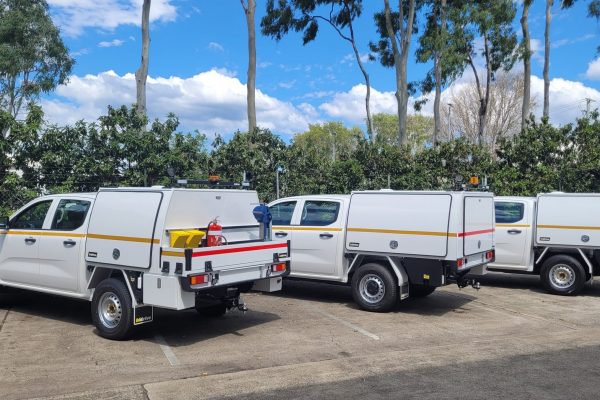
For more than 30 years, Hidrive has been designing and manufacturing service bodies for Australian fleets, with more than 27,000 units installed nationally across utes, trucks and trailers.
As electric and hybrid platforms continue to emerge, that experience is being applied to the unique requirements these vehicles present, including charging access, integrated vehicle power capability, lightweight construction and vehicle-specific integration.
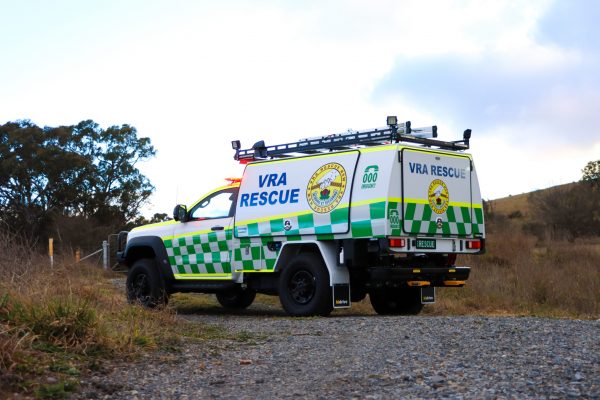
Our experience developing service body solutions for emerging platforms such as the BYD Shark 6 has provided valuable insight into the practical challenges organisations face as they adopt electric and hybrid vehicles. From vehicle integration and payload optimisation through to mobile workspace design, we’re helping fleets navigate the transition to new vehicle technologies while maintaining the functionality, usability and productivity their operations depend on every day.
Backed by a national installation network, Australian manufacturing capability and ISO-certified quality systems, Hidrive is helping organisations prepare for the next generation of fleet vehicles.
Are EV service bodies different from standard service bodies?
Yes. EV service bodies often require vehicle-specific engineering to accommodate charging access, integrated power systems, weight distribution requirements and evolving vehicle architectures. As more electric and hybrid vehicles enter Australian fleets, purpose-built service bodies are becoming increasingly important for maintaining safety, productivity and operational performance.
The future of EV service body design
Electric and hybrid vehicles are changing the fleet landscape, but the fundamentals remain the same.
Organisations need vehicles that help crews stay organised, productive and ready for work.
The future of service body design will be defined by lightweight construction, vehicle-specific engineering and mobile workspace solutions that work seamlessly with increasingly advanced vehicle platforms.
Because the future of fleet fitouts isn’t just about the vehicle. It’s about enabling better work, wherever that work happens.