
Fleet managers are happy campers when requests for new vehicles hit their inboxes. Growing fleets are a solid indicator that a company is flourishing, and grand plans are bearing fruit.
During growth periods, people are often too busy getting stuff done to worry about ‘aligning and refining’ the strategy — but this is exactly the time to do that. By assessing where you are and where you’re going, you can turn opportunity into sustainable, measurable, and repeatable long-term success.
Otherwise, you may just be left wondering why the good times didn’t last.
How to avoid growth traps
When businesses expand, the need to satisfy customer demand can make us reach for the panic button. Adding new vehicles too quickly without defining a clear long-term fleet strategy can blow-out costs, create compliance risks and lead to operational waste.
Sustainable fleet growth starts with making smarter decisions up front, particularly when it comes to vehicle fitouts. A fit-for-purpose, modular fleet setup doesn’t just support your order book for this year, or even next year — it creates wiggle room and contingency for changing future work needs, bakes in risk mitigation measures, and maximises ROI over the entire life of the asset.
What does smart fleet planning look like?
As a fleet manager, you already know your success is measured against safety, cost efficiency, fleet utilisation, and operational metrics that directly impact the business bottom line.
There’s no shade when the glare of ‘yet more’ unplanned maintenance, or poor fitouts your technical crews keep complaining about, are beaming down on you.
An unintended consequence of growing a vehicle fleet without doing the strategic work first, is consistency. Here’s why.
Standardisation supports scalable growth
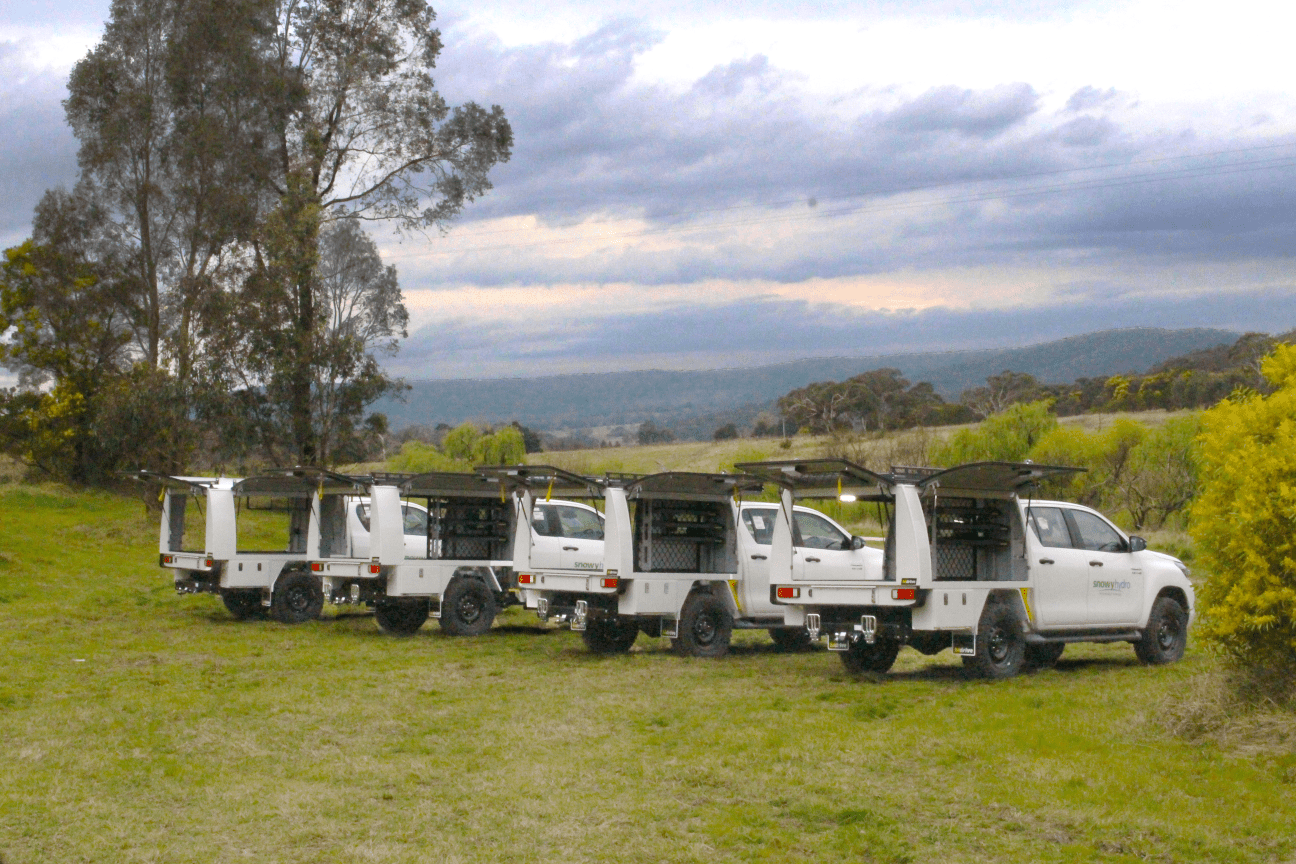
Standardised vehicle configurations make growth easier to manage. When every vehicle in a fleet follows the same layout and specification, onboarding new staff is faster, training is streamlined, and productivity remains consistent regardless of which vehicle an operator uses.
For fleet managers, standardisation also simplifies procurement, maintenance planning and replacement cycles, supporting predictable and cost-effective expansion.
Conversely, vehicles fitted out by different suppliers or without adequate engineering and manufacturing rigour, can end up with inconsistent layouts that make it harder for your mobile workforce to do their jobs.
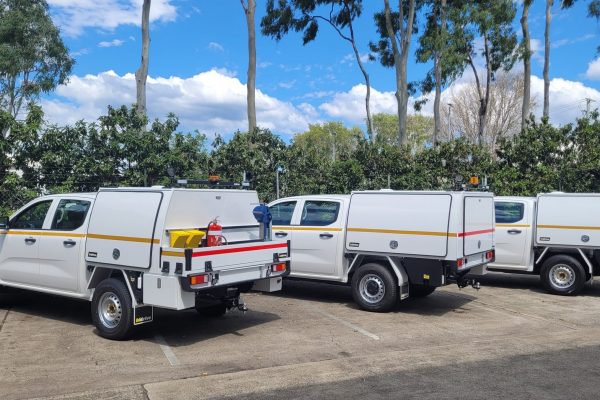
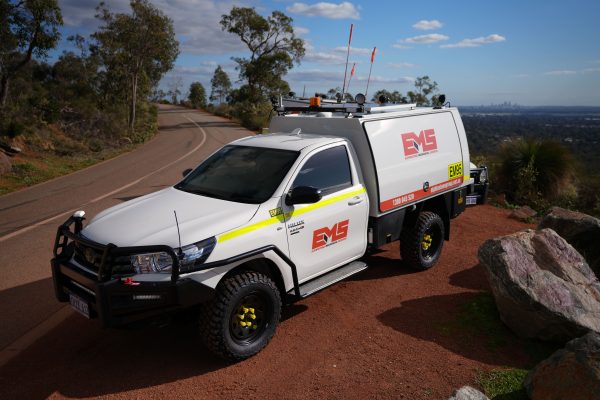
Fit-for-purpose service bodies help remove this friction. When vehicles are configured specifically for the task — for instance, maintenance, animal ranger, utilities, or field service to name a few — vehicle custodians spend less time searching for tools and modifying setups, and more time getting the job done. Productivity improves, downtime reduces, quality is enhanced, and vehicles can be deployed interchangeably across teams.
Why weight matters
Heavier vehicle fitouts eat into available payload. The heavier the build, the less gear the operator can carry. Diesel mechanics, for example, often need to carry upward of 300kg of tools and equipment in their ute, so the lighter their service body, the more they can carry to a job, and the fewer trips back to the depot will be needed to restock.
Weight also plays a critical role in long-term fleet performance. Heavy fitouts increase fuel consumption and accelerate wear on key components. Lightweight aluminium service bodies help fleets stay within GVM limits while reducing fuel use and maintenance costs — delivering measurable savings as vehicle numbers increase.
Durability is just as important as productivity. That’s why choosing a lightweight, rust-resistant material like aluminium is the best protection of your investment — longer life, lowest weight, maximum performance.
Growth that’s planned, not reactive
Growth is a positive goal for any business — but for fleet operators, growth brings complexity. More vehicles, more operators, tighter compliance requirements and rising operating costs can quickly erode margins if fleets aren’t planned with long-term efficiency in mind.
With the right planning, standardisation and fit-for-purpose vehicle solutions, you can support your business to grow sustainably — building a fleet that performs reliably and delivers value long into the future.
Sustainable fleet growth isn’t about doing more with less. It’s about doing more with smarter, better-designed assets that support people, performance and profitability over the long term.
____________
This article was published in the Australasian Fleet Management Association’s December 2025 issue of FleetDrive Magazine. Read it here.